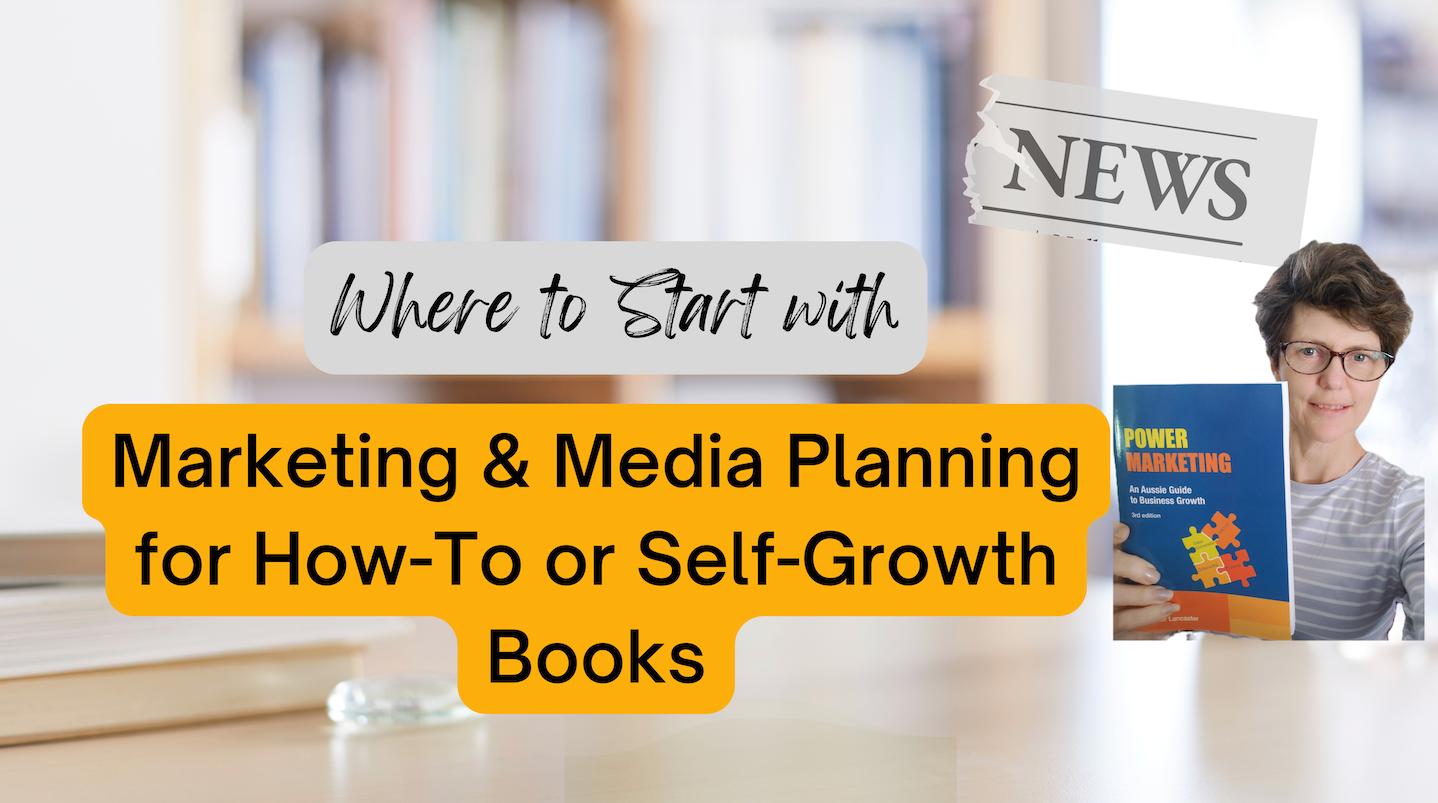
Where to Start with Marketing & Media Planning for How-To or Self-Growth Books
We all start with marketing somewhere, and I was a floundering beginner for many years. My first attempt: digital printing to self-publish a book in 1996 called The Total Image Manual. I sold it through flyers to business boxes and a very expensive print ad. Thankfully, options have gotten less risky in the book marketing game and now we can leverage a personal brand, upload to YouTube, and if clever in angling it, seek free mass media coverage.
Actioning a Marketing & Media Plan
You may already realise that taking a book to market is one of the hardest parts of being an author. It is hard to both plan the right tactics for you (tailored to your strengths) and confidently carry out those promotion tactics, week after week.
It brings out our inner imposter or makes us feel like a used-car salesman. If you’re feeling doubtful, remember that a personal brand is built on your personality and your value… not on hype.
A lot of aspiring book publishers stress over finding their best tagline. A tagline is a good idea — however, putting across genuine insights that help a segment of people is the main thing that will create results. Think about how to distill your personal mission.
Now let’s outline the planning part.
Audience Reach Planning
Who are you for? An audience is not homogenous, so what are the pain points and interests of these people? What is the best way to reach more of them?
All those in business need to focus on further up-sells from readers of our book. So, is your publishing intent aligned with your service range? BAA’s new service called Book Funnel Flow will ensure this book is set up to sell directly and hence beneficial to all-around profits.
Think about the creation of your own website, the long-term possibilities of this, rather than the short-term nature of a book website. Consider what kinds of people would like to learn from you, not only once but many times as they go from beginner to expert.
If you’re writing a memoir, consider the typical reader of your genre. Picture their bookshelf full of cherished memoirs or personalised self-help, and what the similarities of these folk are likely to be. You can check places like KBoards’ The Book Corner, Tiktok and Goodreads groups to find out what book fans are saying.
If you want to plan strategically, there are also analytical tools for reader research, such as SparkToro. It is better to look broadly across various platforms of communities rather than get stuck on one idea.
Press Release Sending. With Get the Word Out, it costs $219 to send a press release to journalists in Australia. I used MediaNet, but with my tiny spend of $69, it only worked for the contacts I already had uploaded. I also used a free site, which is hit and miss.
Marketing and Media Strategy for Bulk Sales
The expert on guerrilla marketing, Jay Conrad Levinson, said in Guerilla Marketing and Joint Ventures: “One of the most under-utilised ways of marketing for no money at all is to be a speaker at a club.”
It is also very advantageous for building credibility in one key area, as that’s what people will start linking you with in their mind. Therefore, the next part of your planning involves finding places, virtual or local, to speak at.
Try:
- Podcast guesting – but only for the type of people you write for or topic you write on. Try to find Australian podcasts and create a bond first.
- Virtual Summits – have a rough title and angle for your keynote in mind first but link it to their theme. Offer a discount for the book or a bonus workbook.
- Local chamber of commerce and speaker-based networking clubs – particularly if you offer a something of interest to small business owners. Offer a package deal or create a joint venture where your book is given with the ticket price.
- Radio – community radio often have guest spots for local experts; some offer regular spots on a topic, e.g., “mental wellbeing in the workplace”.
- Your own events. Why not hire a Council-run meeting room and host a seminar on your topic. It’s usually more popular than a book launch (yawn), and as Bec Wilson just displayed in her Epic Retirement talks, can fill people in on statistics and reasons rather than just rabbiting on about how you decided to write the book. Yay, value! (Specific strategies for your goals can be given if you are interested – see personal brand marketing plan: mentoring).

Actions: Marketing and Media Planning for Nonfiction
Create all the media buzz and write-ups you can, and then collate this in a website ‘media page’ or media coverage look-book. Some people use the logos of magazines they appeared in scrolling across their Home page, which illustrates their media flex. Nice to have, but ensure you are still speaking to your market – there is nothing like that human-to-human engagement.
While most of us (including me) quake in our boots when talking on the radio, never forget the power of media coverage to boost your personal brand, your message and book title. Say your name and book title clearly in every interview and if a journalist is writing up an article, ask for that all-important author website link too.
You can read more about personal branding in My Personal Brand, 2023. Ebook available at Amazon.

Categories
Related Books or Services
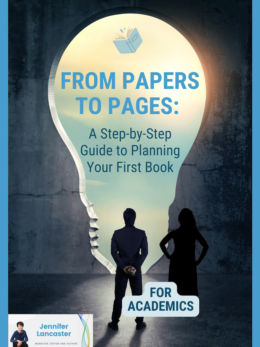
Academics Book Planner: From Papers to Pages
Original price was: $11.00.$7.00Current price is: $7.00.