which self-publishing platform
Self-Publishing

Choosing a Self-Publishing Platform Ain’t Easy

If you’re in the process of finishing a book and wondering how to self-publish your book or eBook, you might have started doing some research online. Soon you realised that there are so many self-publishing author services, vanity presses, and Print on Demand that you cannot possibly make a clear decision. So it comes back to finding out the opinion of self-published authors who have been through it. CNet’s David Carnoy says: “Royalties are better (with an author services company e.g. CreateSpace) than what “real” publishers offer, but there are caveats, and true self-publishing pros prefer to cut out the subsidy press (which takes a cut) and go straight to a POD printer like Lightning Source to maximize profits.” Note that David chose BookSurge (now CreateSpace) and then shortly after securing an agent (and publicity), went on to get a traditional publisher to…
Read more
public lending rights australia claim
Self-Publishing

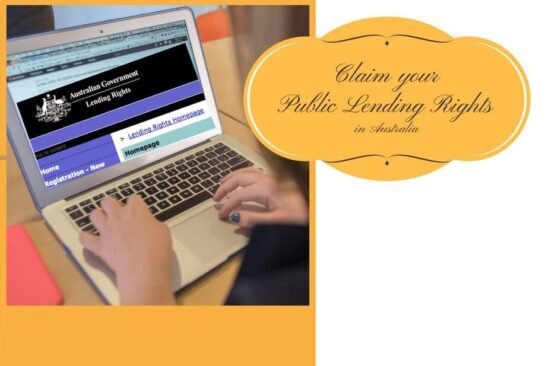
Claim your Public Lending Rights in Australia

Many authors are getting their books into libraries, and so can make a claim to make up for lost royalties because of free lending under the Public Lending Rights Scheme 1997. Did you know… almost 18,000 individual lending right payments totalling over $21 million were paid in 2015-16. So, if you meet the criteria, registering for Public Lending Rights (or ELR, for educational libraries) can be worthwhile. If you can handle some online form-filling, there could be a little money in it for you. (They will survey where your book is found and it needs to be found in 50 libraries, which is quite a few, so this may take quite some time). Title claims for books published 2011 to 2016 are now being accepted until 31 March 2017. Creators can be authors, illustrators, editors or compilers of a work – and…
Read more
The ISBN benefits
Self-Publishing

Why do I need an ISBN?

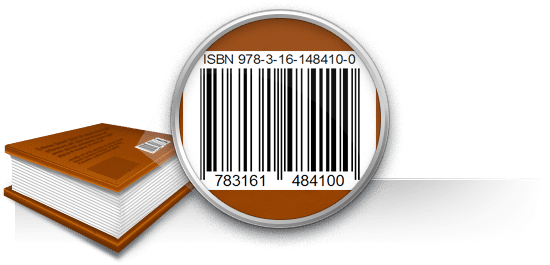
An ISBN is an International Standard Book Number, and it identifies a book format and title to all booksellers, readers and libraries. It is not a book cost which you should cut from your plans. While you can choose to publish privately for company profiles, client guides, etc, having an ISBN opens up your book to be ready for purchase through traditional book retailers, online bookstores, libraries and book finder tools. (See my favourite book price checker, https://booko.com.au/ – try a book search on your own book.) The Benefits of Using an ISBN Having an ISBN assigned to your title enables you to obtain a CiP (Catalogue in Publication) entry from the Australian National Library.  This in turn means that your book can contain data helpful for librarians when cataloguing your book. ISBNs are the global standard for identifying titles. ISBN 13s are used worldwide…
Read more
Writing Habits with AI
Self-Publishing

Things to Spot in your Publisher Assist Contract

In this post, we are talking about self-publishing assist contracts (rather than traditional publishing contracts, which also must be scrutinised).  Many self-publisher assist companies deem to take money from authors to cover production and administration, but authors then get caught out on royalties, contract termination and book rights. Don’t let it happen to you!  You can either keep your money to yourself and learn yourself (and/or get publishing mentoring), or you can use this list.   Essential Questions to Ask on Viewing Your Self-Publisher Assist Contract Check the company name on your contract: is it the same as the public name? Google reviews on them. Also ensure your name is right. What services are being delivered?  Typesetting, proofreading/editing, any author copies, and distribution details all should be here. (Does it match what the package said?) Who gets to approve the final…
Read more
self publishing industry
Self-Publishing

All that Glitters is Not Gold… in the Self-Publishing Industry

Just like in 1851, when the Australian gold rush began, authors in the past decade have been rushing out to self-publish on Amazon and ibooks and cash in on “the rivers of gold”. Except today, the people getting rich are more likely to be those providing the tools, extended self-publisher services like: videos and websites, formatting, author club memberships, review services, and advertising for books. In other words, the book marketing services industry. Meanwhile a third of published authors make less than $500 from their writing, says Digital Book World/Writers Digest. Surveying 1,839 authors (56% indie; 13% traditional; 31% both paths) who published books in 2014, they found widespread underwhelm with book sales and royalties. Indie publishers surveyed showed a median income of $500 – $999 per year, and traditional authors earned a little more overall, with median income of $3,000…
Read more
book planning

What’s in a Book Business Plan?

As an Aquarian, planning months ahead is just so… Virgo.  Alas, authors need to plan our book’s content, production, pre-promotion, publication details and post-launch promotion. We do this so that our project is reasonably successful… and to get ROI. So what’s in a Book Plan? For many authors who are a little further on in their journey, they will create this Book Business Plan for the publisher as part of the submission process. It certainly proves you’re serious. The basic parts of your Book Business Plan are: Summary (book pitch, hot selling points, purpose statement, anything special about it) Target Market  (think more interest based rather than pure demographics) Promotions  (everywhere you plan to promote your books) Competing Titles (book titles in your niche space, including how well similar books have sold, which you find through researching on retailers, ie. Amazon, to…
Read more
Filters